
You signed the contract, booked the movers, and told the landlord you are leaving. Then the closing date slips, and every plan you made is suddenly hanging on one phone call. A delayed closing is rarely a deal killer, but it can cost you real money if you do not know what to do the day it happens. Here is the playbook, Patriot Nation.
The Short Answer
Yes, closings get delayed, and most delays are measured in days, not weeks. The most common causes are lender underwriting requests, a low or slow appraisal, a title problem, repair negotiations, or a corrected Closing Disclosure, which restarts the federal three-business-day review period. Your agent and lender find the cause, set a new date, and keep the contract moving. Ask Patrick how to handle a delayed closing.
A delayed closing is common and usually fixable. The date moves when financing, appraisal, title, or paperwork needs more time. In Texas, most delays are measured in days, not weeks, and the difference between a hiccup and a headache is how fast you act. Here is why it happens, how long it usually takes, and what to do the day the date slips.
How long do closing delays last?
Count on days, not weeks, in most cases. A typical Texas closing runs about 30 to 45 days from contract to keys (NAR, 2025). When the date slips, the delay usually lands in one of three buckets:
- 3 to 10 days for underwriting requests: extra bank statements, employment verification, gift letters, or a changed credit or debt picture after pre-approval.
- About 2 weeks for appraisal or title problems, including a low appraisal, required repairs, an old lien, or an unreleased mortgage that has to be cleared.
- 3 business days minimum when the Closing Disclosure changes: the corrected document legally resets the waiting period before you are allowed to sign (CFPB).
Recent industry data (NAR, 2025) found that about 14% of contracts saw a delayed settlement in a given quarter, while only about 5% were terminated. In plain terms: delays are common, and termination is rare.
Here is what the clock means for your money: every week a closing slips can stretch a rate lock, add another month of rent, or park your furniture in storage you did not budget for. That is why the first question is never just "when will it close?" It is "what is holding it up, and who owns the next step?"
Why closings get delayed
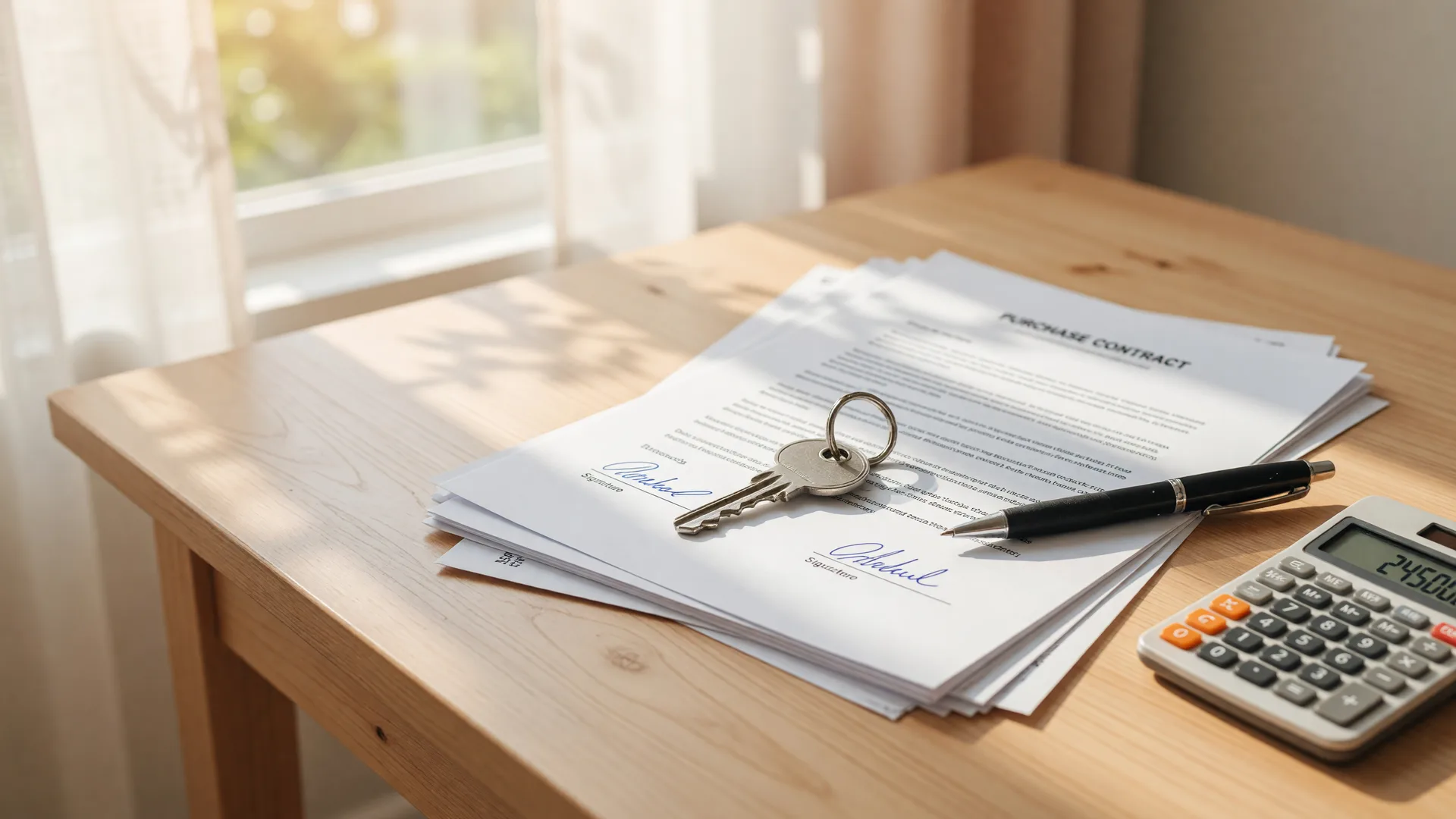
Nearly every delay traces back to one of these five areas:
- Financing and underwriting. The lender needs something new: updated bank statements, a gift letter for your down payment, a letter explaining a large deposit, or confirmation of employment. This is the single most common cause.
- Appraisal. The appraisal comes in low, or it appraises fine but the lender wants repairs done first and a re-inspection booked.
- Title. A lien, judgment, probate issue, or old unreleased mortgage shows up in the title search and must be cleared before the title company can insure the sale.
- Inspection and repairs. The inspection found issues and you and the seller are negotiating who fixes, who credits, or who walks. If you reach an agreement, the re-inspection adds days.
- Disclosure and document errors. A corrected Closing Disclosure resets the three-business-day review period, and a missed signature or a wire that did not arrive can push the closing by a day.
Source: CFPB, Closing Disclosure factsheet (accessed September 20, 2026) for the three-business-day rule and loan estimate to closing disclosure expectations.
The money lesson: almost every delay on that list is fixed with one document, one signature, or one agreement. The expensive ones are the delays nobody flags early, because the longer a condition sits open, the closer you drift to a rate lock expiration or a contract deadline.
What to do when your closing date slips
The moment the date looks shaky, act, do not wait:
- Ask your agent and lender the exact reason. A vague "we need more time" is not enough. You want the specific condition that is open.
- Confirm the new date in writing. In Texas, changing the closing date is handled with the TREC Amendment to Contract, signed by both parties. Do not rely on a verbal promise from anyone.
- Deliver whatever the lender asks for, the same day. Bank statements, gift letters, and letters of explanation are usually the fastest way to unstick a closing.
- Protect your rate lock. If the delay pushes past your rate lock expiration, ask your lender what a lock extension costs and whether the seller, title company, or lender will cover it, since it was often their condition that caused the delay.
- Keep your move plans flexible. Do not book a moving truck and finalize utilities on the original date until you have a signed amendment and clear to close.
Do not let a delay become a default. In Texas, a closing date that passes without a signed amendment puts the deal in breach-of-contract territory, which is exactly when earnest money gets argued about. Get the amendment signed, keep the paper trail, and the delay stays a scheduling change instead of a legal problem.
How to protect your closing timeline
- Get fully pre-approved before you write an offer. A complete file underwrites faster than a pre-qualification, and it removes most last-minute surprises.
- Do not change jobs, open credit, or move money between the offer and closing. Every new credit pull or large deposit can trigger a re-underwrite.
- Order the survey and HOA paperwork early. These are often the quiet killers of a 30-day close.
- Build a buffer into the contract date. In competitive Texas markets the closing date is negotiated too; a date with a few days of cushion beats a heroic one that everyone misses.
Protect the timeline and closing day becomes the calm, boring appointment it should be. Keep the file clean, keep your finances frozen between offer and closing, and let your team handle the rest. That is how you make it a great one, Patriot Nation.
Sources and dates
CFPB, Closing Disclosure factsheet, accessed September 20, 2026. NAR member research on contract delays, 2025. TREC contract forms and the Amendment to Contract are governed by the Texas Real Estate Commission. Numbers here are educational, not a quote or guarantee for any specific transaction.
Ask Patrick about closing delays
Get a straight answer on why closings get delayed and what to do when yours slips.

