
SELLING The Complete Home Seller Guide
Texas Real Estate Sales Agent #454749, AXEN Realty LLC · Senior Loan Officer, NMLS ID #877741, NEXA Mortgage, LLC
From pricing to closing, here is the full selling process in San Antonio: the five phases, the dates that matter, the numbers to know, and the checklist that keeps every step on track.
Last reviewed: September 19, 2026
Patrick’s Quick Answer
How do you sell a home in San Antonio?

Selling your home comes down to five steps: price it right, prepare it to show, market it well, negotiate offers, and manage the inspection and closing. The deciding factors are your timeline, your equity, and how well the home shows. Follow the plan in order and you protect your net at every stage. I walk sellers through the whole roadmap so nothing falls through the cracks.
Timeline
Roughly two to four months from decision to closing when the home is priced right.
First window
The first two weeks on market are your best shot at maximum exposure and competing offers.
Market pace
San Antonio homes averaged 77 days on market in the SABOR June 2026 report.
Seller costs
Seller closing costs typically run about 5% to 10% of the sale price.
Selling a home in San Antonio is a sequence of decisions, and each one shapes the next. The complete path runs through five phases: price it right, prepare it to show, market it well, negotiate the offer that closes, and manage the inspection, appraisal, and closing. Working them in order protects your net at every stage, and the whole process typically runs about two to four months from decision to closing. This guide walks the entire roadmap from the first conversation to handing over the keys.
Phase 1
Price it right from day one
The list price is the most powerful tool you control when you sell, and the first two weeks on market are your best shot at maximum exposure and competing offers. That window only opens when the price is right from the start. I set the list price from comparable sales, homes most like yours that actually closed in the last three to six months within about a mile of your property, then adjust for condition, upgrades, and location. My how to price your home guide walks through the three levers that move the number, and my how much is my home worth guide explains why online estimates are only a starting point.
Overpricing is the costliest mistake a seller makes. A home priced above market does not sell for more; it sits. Buyers and their agents read the days-on-market number, and a stale listing collects price reductions until it sells below an honest first price. Per the San Antonio Board of REALTORS (SABOR) June 2026 report, released July 2026, the San Antonio median home price was $329,730, up 4% from a year earlier, with 6.13 months of inventory and an average of 77 days on market, and homes selling at roughly 93.8% of their original list price. That is a balanced market where buyers negotiate, which is exactly why pricing where the data says on day one matters so much. Market statistics are a snapshot, not a forecast, and your neighborhood can vary.
Phase 2
Prepare the home to show
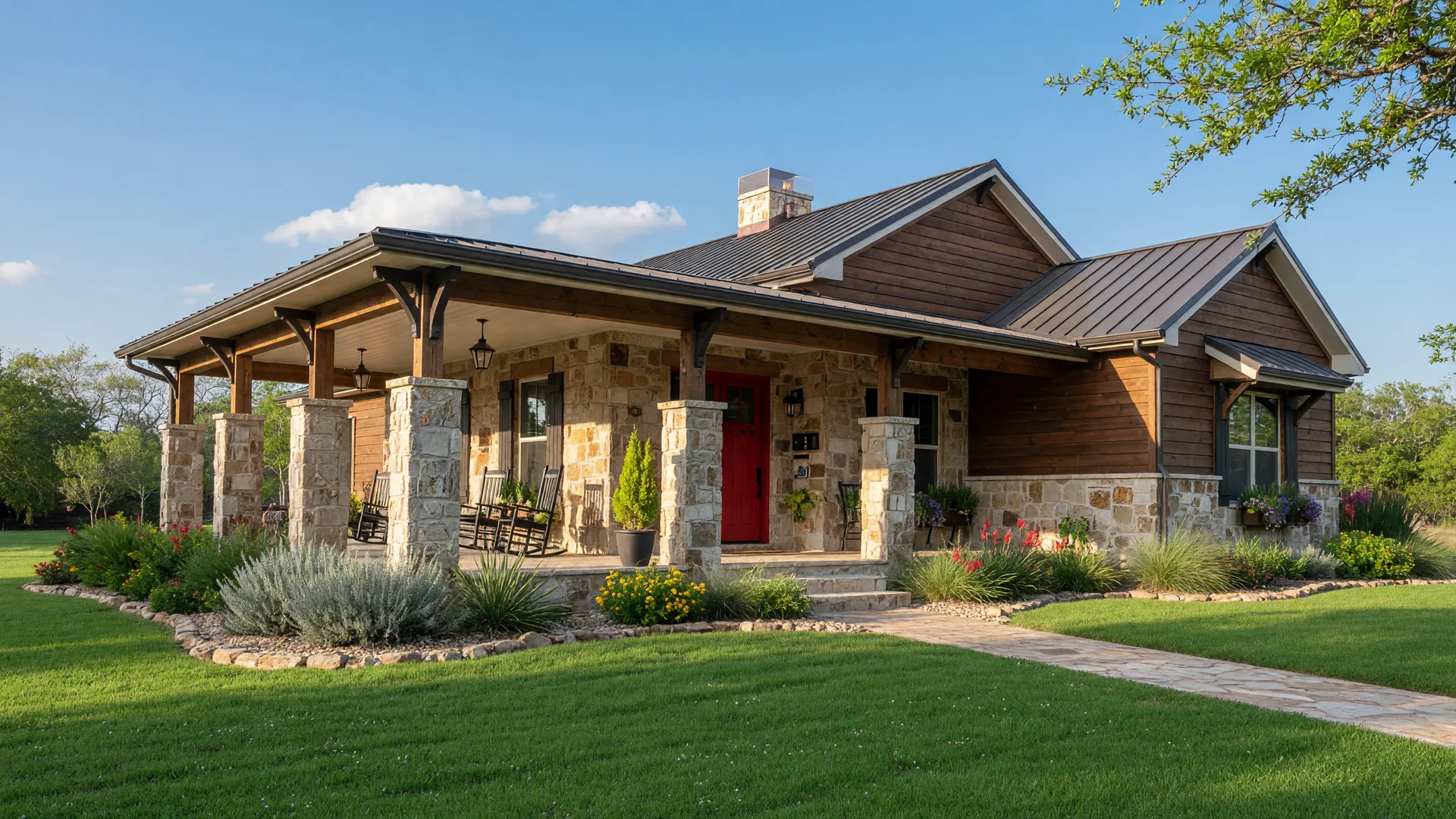
Buyers decide fast, often in the first minutes of a showing, and they buy the home they can picture themselves in. Preparation makes that easy: deep clean, declutter until rooms read spacious, remove personal items so buyers see their own life, and fix the cheap, visible things that whisper neglect. Fresh neutral paint, bright rooms, and clean kitchens and primary baths move decisions more than any remodel does. Start outside before you start inside, because the curb is the first showing: mow, edge, trim, power-wash the porch and walkway, and make the front door inviting before anyone books a visit.
You do not need a remodel, and full renovations rarely return their cost on a normal resale. The preparing your home to sell guide has the full checklist, and the staging post covers the budget reality, which is that the biggest wins are free or low cost. A clean, neutral, move-in-ready home almost always outsells an unfinished remodel.
Phase 3
Market it well
Most buyers start online, so the listing, photography, and virtual tour carry more weight than any single show-day detail. The listing needs accurate specs, a competitive price, and photos that show the home at its brightest. Virtual tours widen the audience for out-of-town and relocating buyers, and targeted exposure across the MLS and local buyer networks keeps the home in front of the agents bringing qualified buyers. Strong marketing shortens the gap between listing and offer, which is exactly what protects a seller’s net when homes average 77 days on market.
Because I am a dual-licensed loan officer and Realtor, I can also pre-qualify a buyer on the spot when an offer comes in. Most sellers never get that read on an offer, and it is one of the most valuable tools for knowing the buyer in front of you can actually close.
Phase 4
Negotiate the offer that closes
The highest price is not always the best offer. Compare financing strength, earnest money, contingencies, and the closing timeline, because a clean offer that closes beats a higher one that falls apart. A buyer with a verified pre-approval, reasonable contingencies, and earnest money behind the offer is the one to take seriously. Buyers may ask for seller concessions toward their closing costs, up to 6% on FHA, 4% on VA, and 3% on conventional low-down-payment loans, and weighing a credit against a lower price is part of the negotiation. My offers and negotiation guide covers evaluating and countering offers from the seller’s side, and the how offers and concessions work post explains the mechanics in plain English.
Phase 5
Inspection, appraisal, and closing
Once you accept an offer, the escrow period runs, typically 30 to 45 days to closing. The buyer’s option period, usually 7 to 10 days, is their window to inspect, and from the seller’s side that means the inspection report and the repair conversation arrive early and set the tone for everything after. A Texas inspection runs a few hundred dollars and covers the roof, foundation, structure, HVAC, plumbing, and electrical. Expect an itemized request focused on safety and structural issues, and respond with clear, honest terms: repairs, a credit, or a price adjustment. My inspection negotiations guide walks through the give and take.
The appraisal protects the buyer’s lender, and the title company runs the settlement. On the seller’s side, closing costs typically run about 5% to 10% of the sale price, led by the real estate commission, usually around 5% to 6% and fully negotiable, plus the owner’s title policy, title and escrow fees, prorated property taxes, and recording fees. Texas has no state transfer tax, which keeps the list shorter than in many other states. The seller closing costs guide and the cost to sell post line up every item, and I walk every seller through a net sheet before they accept an offer so the number is never a surprise.
The whole roadmap on one page
The seller’s checklist, phase by phase
Print this list or keep it on your phone. Every check mark moves you one step closer to a clean closing.
Price it right
- Review recent closed sales of comparable homes with your agent
- Set the list price from the data, not from what you owe
- Protect the first two weeks of exposure
Prepare to show
- Deep clean and declutter, inside and out
- Fix the visible repairs and refresh neutral paint
- Stage the rooms buyers linger in
Market it well
- Book professional photography and a virtual tour
- Confirm the listing specs and price are accurate
- Push exposure across the MLS and local buyer networks
Negotiate the offer that closes
- Compare financing strength, earnest money, and contingencies
- Weigh seller concessions against price
- Run a net sheet before you accept anything
Inspection, appraisal, and closing
- Know your option period dates and respond to the inspection
- Cooperate with the appraisal and the buyer’s financing
- Confirm the settlement statement before signing
- Keep the closing paperwork with your tax records
How long does the whole process take?
From decision to closing, plan on roughly two to four months. Preparation and staging take a few weeks, marketing and showings run two to six weeks depending on price and condition, and the escrow period from accepted offer to closing is typically 30 to 45 days. Price it right and prepare it well, and you compress every stage. The home selling timeline guide maps each stage with the dates that matter.
Selling and buying at the same time?
If you are also buying your next home, the sequence needs planning before either contract is signed: sell first, buy first, or run a sale contingency, and each choice changes how you qualify and when your equity lands. My sell and buy guide covers the two-closing plan in detail, from equity timing to temporary housing to the questions to take to your lender, agent, title company, and tax professional.
Start with a real read on your home
Every good sale starts with an honest number. Book a free home valuation, and I will walk you through what your home is worth and what it will take to sell it. From the first number to the final closing, I am on your side.
Sincerely, Patrick Kevin Fagan
Sources: San Antonio Board of REALTORS market statistics, June 2026 report (released July 2026). Market statistics are a snapshot, not a forecast; local neighborhoods vary. This guide is educational content, not legal, tax, or loan advice. Equal Housing Opportunity.
About Patrick Kevin Fagan, REALTOR®
Patrick Kevin Fagan is a Texas Real Estate Sales Agent (#454749) with AXEN Realty LLC and a Senior Loan Officer (NMLS ID #877741) with NEXA Mortgage, LLC (NMLS #1660690). He brings 23+ years in mortgage lending and 19 years in real estate, serving homebuyers, homeowners, and sellers across Greater San Antonio and the Texas Hill Country.
