
Patrick's Quick Answer
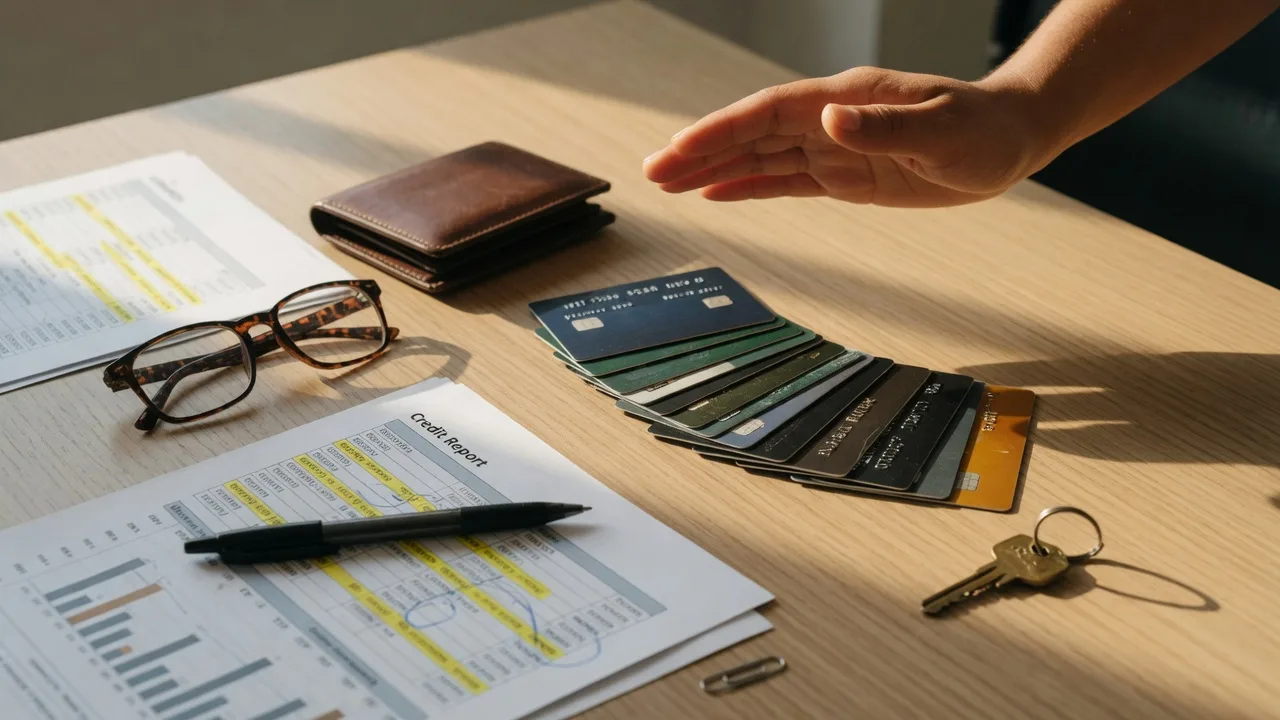
Four credit moves that feel smart can quietly hurt your approval, and they are all things you should NOT do while a purchase is in motion. Do not open any new accounts unless your loan officer advises it. Do not pay off installment loans early, even with fewer than 10 payments to go. Do not contest a collection that is correct just to try to wipe it off your report. And do not close a revolving account that sits at $0, even if you never plan to use it. Each one looks like tidying up. Each one can cost you points at the exact moment points matter.
This is milestone 13 of The Essential First-Time Homebuyer Roadmap, and it protects everything the earlier milestones built. Milestone 11 handed you the fast-track actions that lift your score, and the last milestone made your on-time rent and utility history count. These four rules are the other side of that work: what not to touch. The score on your phone app rewards activity. Ursula the Underwriter rewards stability. That is why every one of these moves feels harmless and is anything but.
Do Not Open Any New Accounts
First, do not open any new accounts while you are attempting to purchase, unless Lawrence or your loan officer advises it. That means no new credit card, no financing a new truck, no store card to save 10% on a sectional. The reason is math, not drama. A new account adds a hard inquiry and a fresh credit line, and a new line can shift your utilization and show up as new potential debt just as your file lands on the underwriter's desk. This is the same discipline behind the do-not-open-new-credit rule, applied to the whole buying window. When in doubt, ask before you apply.
Do Not Pay Off Installment Loans Early
Second, do not pay off installment loans, even if you have fewer than 10 payments to go. An installment loan, like your auto loan, reports as a set monthly payment with a clean payment history. Paying it off early removes that history right when Ursula wants to see an established, on-time record, and it can shift the mix of credit on your file. It also takes a payment off your obligations, which sounds good, but the timing is the problem. Let the loan finish on schedule and let the closed account report on its own timetable. Your loan officer can confirm the call for your specific file, and most of the time the answer is exactly that.
Do Not Contest Correct Collections
Third, do not contest a collection that is correct, just to try to wipe it off your report. I have seen buyers dispute a legitimate collection in the hope it simply vanishes, and that is not how the system works. If the collection is accurate, the dispute comes back verified, the item stays, and you have spent time and energy for nothing. Disputing real errors is a separate, important step, and the fast-track list covers it. But a collection that is correctly reported is a bill you actually owe. Pay it or negotiate a settlement, and save your disputes for the mistakes that deserve them.
Do Not Close Revolving Accounts That Sit at $0
Fourth, do not close revolving accounts that sit at $0, even if you never intend to use them again. That old card with no balance is working for you while it does nothing. It is available credit, and available credit is what keeps your utilization low. Close it and you shrink your total limit, which pushes your utilization up on the cards that do carry balances, and utilization is one of the fastest levers on your score. A $0 card costs you nothing to keep. Let it sit and quietly hold your utilization down through the purchase.
Why All Four Rules Feel Backward
The thread running through these four is the same one. Your instinct during a big purchase is to tidy up: pay things off, close what you do not use, dispute what bothers you, and open credit to furnish the new place. Every one of those instincts is wrong at this exact moment. The mortgage version of your file is judged on stability and history, not on neatness, and the disciplined buyer does less, on purpose, while the loan is in motion. For the positive side of the ledger, the how to raise your credit score guide walks through what actually lifts a number, and the debt-to-income ratio page shows why the underwriter cares about every line that reports.
Patriot Pro Tip
Run every credit move past your loan officer before you do it, not after. A quick call or text takes two minutes and can save your approval. Nine times out of ten the answer is "leave it alone," but when it is not, you want to hear it before the hard inquiry, not when Ursula flags it on your file.
The San Antonio Angle
This hits home in San Antonio and the Hill Country because buyers here are often doing all four at once in the months before a purchase. A truck loan with six payments left that gets paid off early, a furniture store card opened the week before pre-approval, an old card from a college apartment closed to simplify, and a disputed medical collection that was accurate all along. I watch buyers light up when they mention a new card they opened, and I watch the same buyers deflate when the pre-approval comes in under the number they wanted. The fix is unglamorous: freeze your credit habits from the day you decide to buy, keep your file stable, and let Lawrence turn it into a pre-approval. The full sequence, milestone by milestone, is in the free First-Time Homebuyer Roadmap.
Reality Bite
Twenty-plus years in, I can tell you the difference between buyers who scramble and buyers who close. The ones who close treated the buying window like a freeze. They did not open credit, did not pay off loans early, did not fight correct collections, and did not close idle cards. The work of these milestones is wasted the moment a brand-new $300-a-month truck payment shows up on your file the week before closing. If you are buying in the greater San Antonio area and want a loan officer who watches every one of these details for you, that is what buying with Patrick means.
Frequently Asked Questions
Should I pay off my car loan before applying for a mortgage? Tap to expand
Can I close an old credit card with no balance before buying a home? Tap to expand
Is it OK to open a new credit account while I am buying a home? Tap to expand
Not sure whether a credit move will hurt your file?
Tell me what you are thinking of doing, opening a card, paying off a loan, closing an old account, or disputing an item, and I will tell you exactly how it lands on your file. Ten minutes on the phone beats a surprise at pre-approval.
About Patrick Kevin Fagan, REALTOR®
Patrick Kevin Fagan is a Texas Real Estate Sales Agent (#454749) with AXEN Realty LLC and a Senior Loan Officer (NMLS ID #877741) with NEXA Mortgage, LLC (NMLS #1660690). He brings 23+ years in mortgage lending and 19 years in real estate, serving homebuyers, homeowners, and sellers across Greater San Antonio and the Texas Hill Country. His goal with every first-time buyer is the same: explain every step, protect your interests, and keep money in your pocket.
Sincerely,
Patrick, The Mortgage Patriot
Source: The Essential First-Time Homebuyer Roadmap, Phase 01: Assess Your Financial Foundation, Milestone 13: The 4 Credit "Do Not Do's". Last reviewed: October 21, 2026.
The four rules here are the ones named in the Roadmap for protecting your file during an active purchase. Every lender and every underwriting review applies its own standards for how credit activity is treated, so confirm the right move for your exact accounts and timeline with your loan officer before taking any action.
Answered by Patrick Kevin Fagan
Texas Real Estate Sales Agent #454749, AXEN Realty LLC · Senior Loan Officer, NMLS ID #877741, NEXA Mortgage, LLC
Call or text: 210-317-6514
