

Here is the money problem, Patriot Nation: you are saving, but you are not sure what the finish line actually is. Save too little and closing costs bury you. Save too long and rent keeps eating your down payment. The answer is a target with three parts, and once you know it, saving stops being guesswork and starts being a plan.
Quick Answer
Save the down payment plus closing costs plus reserves: often several thousand dollars on top of your down payment, with a few months of payments kept as your safety cushion.
Get help planning your purchase and what to save.
The three savings buckets every buyer needs
You need three buckets: the down payment, closing costs, and a cushion. The down payment depends on your loan type, from zero with VA and USDA to 3.5% with FHA and 3% to 20% with conventional options. Closing costs add more on top, and in Texas they include title insurance, escrow fees, and prepaid taxes and insurance that can be substantial. [1] Consumer Financial Protection Bureau.
CFPB's guidance is to save an emergency fund alongside the purchase, because moving and first-year repairs always cost more than expected. [2] Consumer Financial Protection Bureau. Down payment assistance can replace part of the down payment bucket. [3] Texas State Affordable Housing Corporation. Build the three together and closing will not drain you.
What the down payment really takes
Run the down payment on your actual price range, not a round number. On a $300,000 home, 3.5% down with an FHA loan is about $10,500, and 5% down on a conventional loan is $15,000. Those are very different savings goals, which is why the loan program you choose should be decided before you set the savings target.
And remember, 20% is not the gate. Most first-time buyers put down 3% to 5%, pay mortgage insurance below 20%, and get into the house years sooner than waiting for a 20% stack. The down payment bucket should be sized to the loan, not to a myth.
Texas closing costs are real money
Closing costs are the bucket buyers forget, and in Texas they are substantial. They include title insurance, escrow and settlement fees, lender fees, and prepaid property taxes and homeowners insurance, and they land on top of your down payment. On a typical Texas purchase, plan for several thousand dollars, and get a real estimate from your loan officer instead of a guess.
Two things can shrink this bucket: down payment assistance programs that also cover closing costs, and seller concessions where the seller agrees to pay part of the closing costs instead of cutting the price. Both are common in Texas, and both belong in your plan.
The cushion that keeps you comfortable
The third bucket is the one nobody wants to hear about, and it is the one that protects you. After you close, keep a few months of payments in the bank. Moving costs, first-year repairs, and appliances are real, and a comfortable amount in reserves turns a great purchase into a peaceful one.
I have seen buyers scrape together exactly enough for the down payment and then panic when closing costs push them over budget, or when the air conditioning fails a couple of months after closing. Do not be that buyer. Build the cushion into the goal from the start.
Down payment assistance can shrink the goal
Before you assume you have to save every dollar, check what assistance you qualify for. Texas has down payment assistance programs that can cover part or all of your down payment, and some cover closing costs too. The down payment assistance guide covers how they work, but the short version is this: the right program can turn an intimidating savings goal into a reachable one.
Run the three buckets together, size them to your real price range, and check the assistance before you finalize the target. That is how you set a savings number you can actually hit, and how you buy without draining yourself at the closing table. Make it a great one.
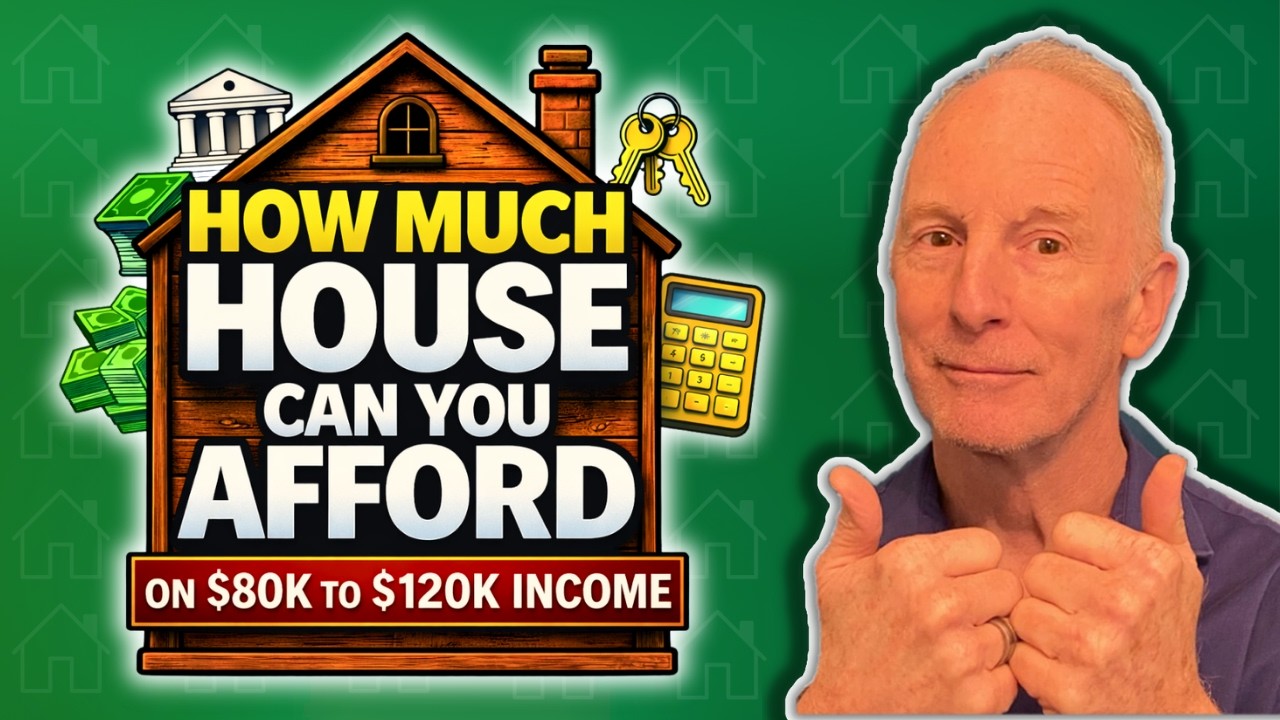
Watch Patrick run the numbers behind what to save
This is the video where I put real incomes, real debts, and real Texas payments on the board and show what each income level can actually buy, which is the starting point for your savings target.
Read the full transcript of this video, word for word. Or watch it on Patrick's YouTube channel.
Ask Patrick about saving before buying
Get a straight answer on how much to save for down payment, closing, and reserves.