
Mortgage
The Ugly House Hack: Renovation Loans for Instant Equity
Texas Real Estate Sales Agent #454749, AXEN Realty LLC · Senior Loan Officer, NMLS ID #877741, NEXA Mortgage, LLC
Discover how renovation loans let you build instant equity by buying fixer-uppers with financing that covers both purchase and repairs rolled into one mortgage.
What You Will Learn
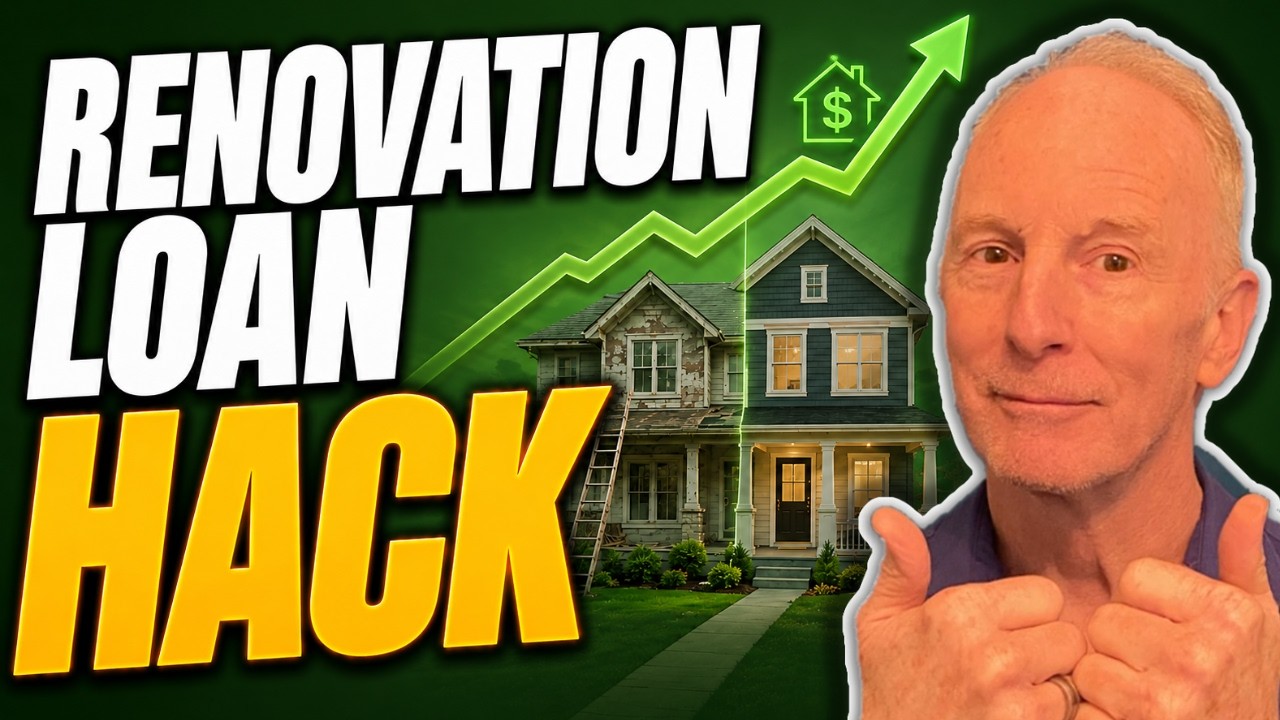
The ugly house is the one other buyers walk past. It needs new carpet, a fresh coat of paint, maybe a kitchen update. But for buyers who understand renovation loans, that ugly house can be the fastest path to building equity. In this video, Patrick shows you exactly how it works.
Renovation loans like the FHA 203(k) and Fannie Mae HomeStyle let you roll the cost of repairs into your mortgage, so you are financing both the purchase and the improvements in one loan. Instead of buying a turnkey home at full market price, you buy a fixer-upper below market, renovate it, and the value of the home increases to reflect the improvements you made.
How renovation loans create equity:
When you buy a home that needs work, the purchase price is typically below the market value of similar updated homes in the area. After renovations, the home value increases. The difference between what you paid plus renovation costs and what the home is worth after renovations is your instant equity.
Key Takeaways
-
Two Main Renovation Loan Options: FHA 203(k) and Fannie Mae HomeStyle
The FHA 203(k) is great for buyers who want a lower down payment (3.5% minimum) and have lower credit scores. The HomeStyle loan requires 5% down but allows more renovation types, including luxury upgrades.
-
One Loan Covers Both Purchase and Repairs
Instead of getting a mortgage plus a separate renovation loan or using credit cards, everything rolls into one loan with one monthly payment. The renovation funds are held in escrow and released as work is completed.
-
You Need a Licensed Contractor, Not DIY
Renovation loans require work to be done by licensed, insured contractors. You cannot do the work yourself unless you are a licensed contractor. The lender needs to approve the contractor and renovation plan before closing.
-
The Appraisal Looks at the After-Renovation Value
The loan amount is based on the projected value of the home after renovations are complete. This means you can borrow more than the home is worth today because the improvements will increase its value.
-
Less Competition, More Negotiation Power
Fixer-uppers attract fewer buyers. That means less competition at offer time and more room to negotiate on price, closing costs, or seller concessions. The dual-license advantage helps structure the deal to minimize cash-to-close.
Continue Learning
Read the transcript of this video, word for word, in a simple text format.
Read the full guide to renovation loans and how fixer-uppers build equity for first-time buyers.
Patrick explains renovation loan options for investors and how to structure the deal.
Want to Explore Renovation Loan Options?
Patrick can help you evaluate fixer-upper properties and structure the right renovation loan. As both a Loan Officer and REALTOR, he handles the financing and the real estate side together.
Related Videos

First-Time Buyers

First-Time Buyers

Explore Communities
Greater San Antonio areas with great fixer-upper potential.
Related Services
About Patrick Kevin Fagan, REALTOR®
Patrick Kevin Fagan is a Texas Real Estate Sales Agent (#454749) with AXEN Realty LLC and a Senior Loan Officer (NMLS ID #877741) with NEXA Mortgage, LLC (NMLS #1660690). He brings 23+ years in mortgage lending and 19 years in real estate, serving homebuyers, homeowners, and sellers across Greater San Antonio and the Texas Hill Country.