
Patrick's Quick Answer
The biggest mistake first-time buyers make is treating the home inspection as a formality instead of a negotiation tool. Use the report to ask for repairs, credits, or a price adjustment, and do not let every minor item blow up the deal. Focus on safety and structural issues, and keep your option period running until the negotiation is settled.
You are pre-approved, you found a home you love, your offer was accepted, and you are under contract. You feel like the finish line is in sight. Then the inspection report arrives, and suddenly everything changes. The report lists dozens of items, includes photos of every crack and loose wire, and makes the home look like it is falling apart. This is the moment where most first-time buyers make their biggest mistake: they let the inspection report scare them into walking away, instead of using it as a powerful negotiation tool.
The truth is that every home, no matter how well built, will have issues cited in an inspection report. Experienced buyers know this and use the report as a second round of negotiation to get repairs done on the seller's dime or to lower the purchase price. In this guide, I am going to show you how to stop fearing the inspection and start using it as an asset that puts money back in your pocket.
To understand what a Texas home inspection actually covers, visit my Ask Patrick page.

Prefer to watch? Patrick breaks down the inspection negotiation strategy in this video.
Why Every Inspection Report Looks Scary
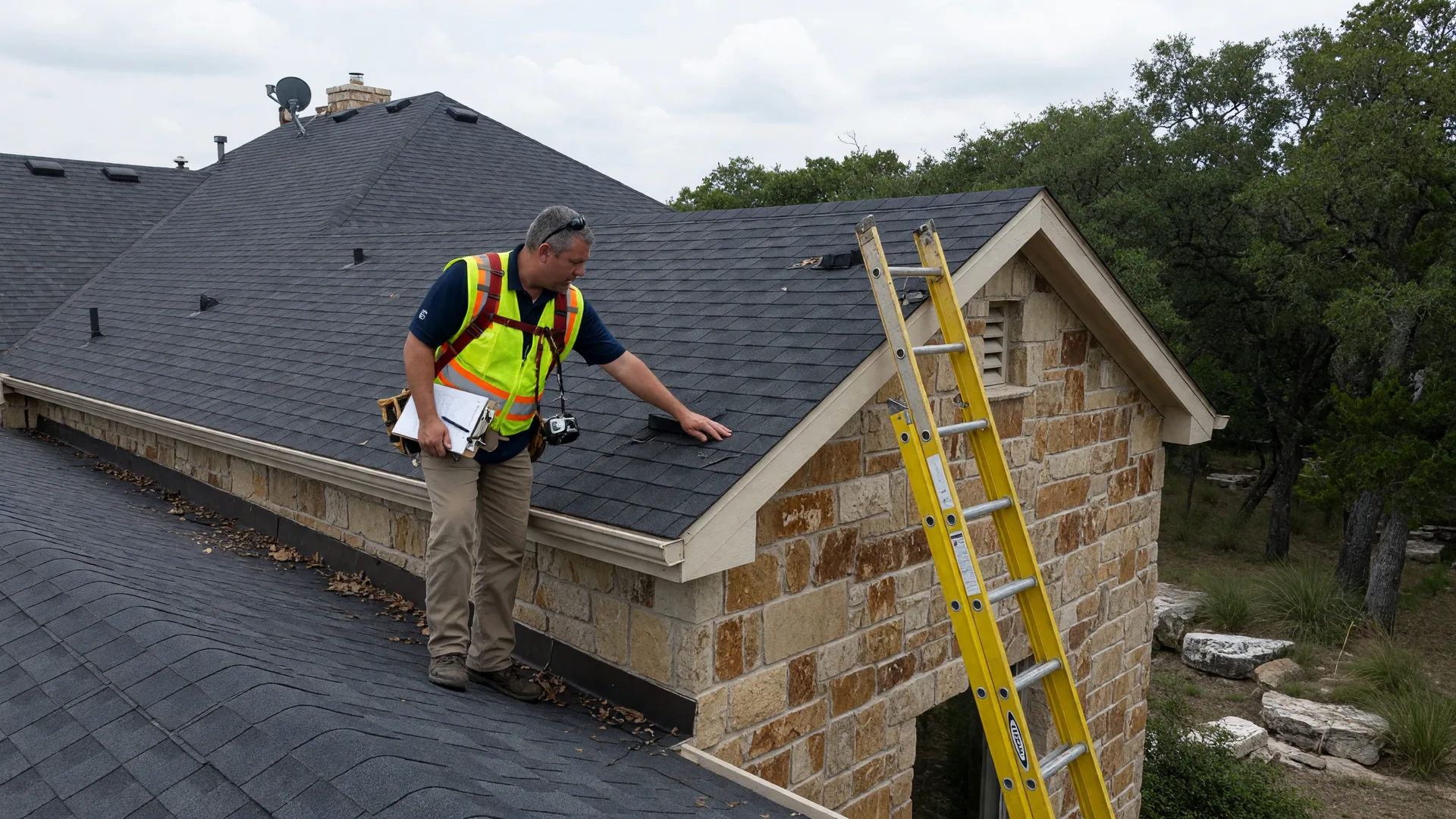
When you hire a licensed home inspector, they spend roughly three hours going through every system in the house. They turn on every light and every water spigot. They run the dishwasher, open every window latch, peer into every corner of the attic, check the wiring, examine the plumbing, inspect the foundation inside and out, and climb onto the roof. The result is a report that runs 35 to 75 pages, complete with photos of every crack, fissure, loose wire, and non-working fixture.
That comprehensive detail is exactly what you want as a buyer. It tells you exactly what you are stepping into. But here is what I have learned over 19 years in real estate: I have never seen an inspection report that did not find something. Not once. Every home, whether it is 10 years old, 20 years old, or 50 years old, will have deficiencies. The question is not whether there are issues, but whether those issues are serious enough to walk away from or small enough to negotiate through.
The Mistake: Walking Away Instead of Negotiating
The single biggest mistake I see first-time buyers make is panicking when they read the inspection report. They see a long list of items, they get overwhelmed, and they want to tear up the contract and walk away. I understand the instinct. The report looks intimidating, and nobody wants to buy a house that needs work.
But here is what experienced buyers know: that inspection report is not a reason to walk away. It is leverage. It gives you a documented, professional evaluation of everything that needs attention. And during the option period, that leverage belongs to you. Instead of walking away, you can go back to the seller and say, "Here are the items that need to be fixed. Let's talk about how we handle them."
The reality check: You have an option period specifically for this purpose. In Texas, that is typically 7 to 10 days. This is your window to investigate and renegotiate. Use it. Do not let a list of small repairs cause you to lose a home that is fundamentally right for you. Walk away only for the real deal-breakers like a cracked foundation, active termite damage, or major structural issues that make the home unsafe.
What Lenders Actually Require
Not every item on an inspection report needs to be fixed before closing. Understanding what your lender will and will not require is a critical part of an effective negotiation strategy.
Most inspection reports break items into three categories:
Safety Issues
These are items your lender will require to be fixed before funding the loan. They include roof leaks, foundation problems, faulty wiring, plumbing issues, rotted wood, missing railings on decks, and active termite damage. The type of loan you have determines exactly which safety items are mandatory. FHA loans have stricter requirements than conventional loans.
Highly Recommended Items
These are important but not mandatory for closing. Think aging HVAC systems, older water heaters, or worn-out roofing that still functions. Your lender will not compel repairs here, but you can still negotiate with the seller to address them or offer a credit.
Suggested Items
Cosmetic suggestions, minor cracks, worn fixtures. The lender does not care about these, but they can still be part of your negotiation if you choose to ask for a credit.
Here is where having a dual-licensed professional makes a real difference. As both a loan officer and a real estate agent, I know exactly which repairs your specific loan program requires. For example, if the seller refuses to fix a foundation issue on an FHA loan, I can sometimes switch you to a conventional loan that does not require the same fix. That flexibility keeps your deal alive when others would have to walk away.
The Renegotiation Window: How to Use Your Leverage
Once you have the inspection report in hand and you understand which items matter, here is how the renegotiation works in practice.
Let me give you a real example I use with my clients. Imagine you have a home under contract at $300,000 with $6,000 in seller concessions already agreed to in the offer. You order the inspection on day one of the option period, get the report back on day three, and have until day seven to negotiate.
The report identifies safety items like foundation issues, missing GFCI outlets in the kitchen and bathrooms, missing smoke detectors, and some rotted deck planks. You compile these items and present them to the seller through your agent. The seller has two options: they can hire contractors to fix the items and provide invoices showing the work was done, or they can give you a credit at closing so you handle the repairs yourself.
Example Renegotiation
Original Price
$300,000
Original Seller Concessions
$6,000
Post-Inspection Result
Option A: Seller fixes all safety items
$0 out of pocket for repairs
Option B: Seller gives credit
Raise concessions to $10,000
If the seller refuses to do anything, you have two paths: walk away during the option period (your earnest money is protected), or explore switching to a conventional loan that has fewer mandatory repair requirements. The option period is your leverage window. Do not surrender it by panicking.
Specialized Inspections You Shouldn't Skip
A standard home inspection covers a lot of ground, but it is not the final word. There are specialized inspections that can uncover hidden problems that a general inspector might flag but cannot fully diagnose. Do not skip these to save a few hundred dollars, because the cost of missing a major issue can be ten or twenty times what you would pay for the inspection.
Sewer / Sewage Line Inspection
This is one of the most important specialized inspections you can buy, typically costing around $300. A sewer scope sends a camera through the main drain line to check for blockages, tree root intrusion, cracks, and collapsed sections. In older homes (40 to 50 years old) with cast iron pipes, sewer line repairs can cost $15,000 to $20,000. Do not skip this one. It has saved many of my clients from buying a house with a hidden underground problem.
Electrical Inspection
If the home has an older fuse box, outdated wiring, or signs of amateur electrical work, a licensed electrician can give you a detailed assessment. Old wiring is both a safety hazard and a costly replacement.
Structural and Foundation Inspection
When the general inspector flags foundation cracks or uneven floors, a structural engineer can determine whether it is normal settling or a serious problem. Foundation repairs can cost $5,000 to $20,000 depending on the severity.
Patrick's Take: Why Experience Matters in Inspection Negotiations
I have been a loan officer for over 23 years and a real estate agent for 19 years. I have seen inspection reports on hundreds of homes, and I have never seen a clean one. That is not a bad thing. It is normal. The difference between a first-time buyer who gets a great deal and one who overpays or walks away from a good home is knowing how to read the report and negotiate from it.
Because I am both your loan officer and your agent, I know exactly what your lender will require and what they will not. When the report comes back, I can tell you right away which items are mandatory for your loan type, which ones are worth negotiating hard for, and which ones are not worth risking the deal over. That saves time, reduces stress, and puts you in the strongest position at the negotiation table.
My advice is simple: do not let an inspection report scare you. Instead, let it give you the information you need to negotiate a better deal. Walk away only if the issues are truly serious. For everything else, use the report as leverage to get repairs done on the seller's dime.
Checklist: What to Do After Your Inspection Report Arrives
Follow these steps to turn your inspection report into a successful negotiation instead of a stressful surprise.
Read the full report with your agent
Do not skim it. Go through every page so you understand what was found. I review these with all my clients so nothing gets missed.
Identify safety items vs. suggestions
Separate mandatory safety fixes from recommended repairs and cosmetic suggestions. Focus your negotiation on the items your lender will require.
Get estimates for major repairs
For significant items like foundation issues, roof repairs, or a sewer line scope, get contractor estimates so you know the real cost before you negotiate.
Know your loan type's requirements
FHA, VA, conventional, and USDA loans all have different repair requirements. Your loan officer should tell you exactly what must be fixed before closing.
Present a formal repair request to the seller
Your agent will submit a formal request listing the items you want addressed. The seller can either fix them, offer a credit, or refuse.
Evaluate your options if the seller refuses
If the seller says no, you can walk away during the option period, accept the home as-is, or explore switching loan types if the issue is only a problem for your current loan program.
Do a final walkthrough before closing
Verify that agreed-upon repairs were completed to your satisfaction. This is your last chance to catch anything that was not done properly.
Frequently Asked Questions
Should I walk away if the inspection report has a lot of items?
How much does a home inspection cost?
Can I negotiate after the inspection on an FHA loan?
How long do I have to negotiate repairs after the inspection?
Continue Your Home Buying Education
Explore more resources from Patrick to master every step of the home buying process.
Want the Full Homebuyer Roadmap?
Join my free first-time homebuyer webinar for a full start-to-finish walkthrough of financing, negotiating, inspections, closing costs, and the complete path to getting your keys.
Join the Free WebinarReady to Start Your Home Search?
Every buyer journey is different, but the first step is always the same: a conversation. I will help you understand your options, run the numbers, and build a plan that fits your goals and your budget. Whether you are looking in San Antonio, Bulverde, or anywhere across the Texas Hill Country, I am here to guide you through every step from pre-approval through closing.
About Patrick Kevin Fagan, REALTOR®
Patrick Kevin Fagan is a Texas Real Estate Sales Agent (#454749) with AXEN Realty LLC and a Senior Loan Officer (NMLS ID #877741) with NEXA Mortgage, LLC (NMLS #1660690). He brings 23+ years in mortgage lending and 19 years in real estate, serving homebuyers, homeowners, and sellers across Greater San Antonio and the Texas Hill Country.
Answered by Patrick Kevin Fagan
Texas Real Estate Sales Agent #454749, AXEN Realty LLC · Senior Loan Officer, NMLS ID #877741, NEXA Mortgage, LLC
Call or text: 210-317-6514